


How to Take Care of a Cat

How to Take Care of a Cat : A Complete Guide for New Cat Parents

How to Take Care of a Cat

Bringing a cat into your home is an exciting experience, but it also comes with responsibilities. Whether you’ve adopted an adult cat, rescued a kitten, or are preparing to welcome your first feline companion, understanding how to take care of a cat is essential for ensuring a happy and healthy life for your pet.

Cats are independent animals, but they still require proper nutrition, healthcare, grooming, mental stimulation, and a safe environment. In this comprehensive guide, we’ll cover everything new cat parents need to know, including tips on How to Care for Newly Born Kittens, How to Care for a 2 Month Old Kitten, and How to Feed a Kitten Without a Mother.

Understanding Your Cat's Basic Needs

Before diving into specific care routines, it’s important to understand the fundamental needs of every cat.

A healthy cat requires:

  • Nutritious food
  • Fresh drinking water
  • Safe shelter
  • Clean litter box
  • Regular veterinary care
  • Mental and physical stimulation
  • Love and attention

Meeting these basic requirements forms the foundation of proper cat care.

How to Take Care of a Cat

Creating a Safe Environment for Your Cat

One of the first steps in learning how to take care of a cat is making your home cat-friendly.

How to Take Care of a Cat

Cat-Proof Your Home

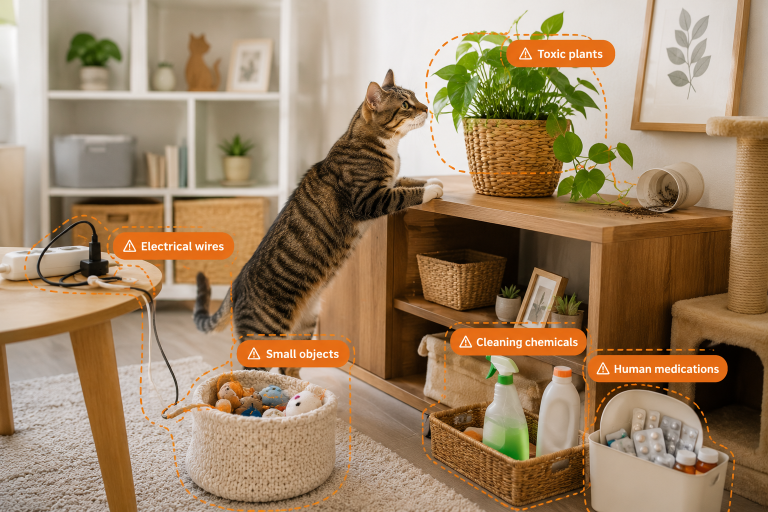
Cats are naturally curious and often explore places they shouldn’t. Remove or secure:

  • Toxic plants
  • Electrical wires
  • Small objects that can be swallowed
  • Cleaning chemicals
  • Human medications
How to Take Care of a Cat

Provide a Comfortable Space

Every cat needs a quiet area where they can rest and feel secure. Consider providing:

  • A cozy cat bed
  • Soft blankets
  • A scratching post
  • Hiding spots
  • Elevated perches

Feeding Your Cat Properly

Nutrition plays a major role in your cat’s overall health.

How to Take Care of a Cat

Choose High-Quality Cat Food

Look for cat food that contains: Real animal protein, Essential vitamins and minerals, Taurine (an important amino acid for cats), Balanced fat content. Avoid feeding dog food.

How to Take Care of a Cat

Establish a Feeding Schedule

Adult cats typically do well with: Two meals per day, Controlled portions, Consistent feeding times. Avoid overfeeding, as obesity can lead to health problems such as diabetes and joint issues.
How to Take Care of a Cat

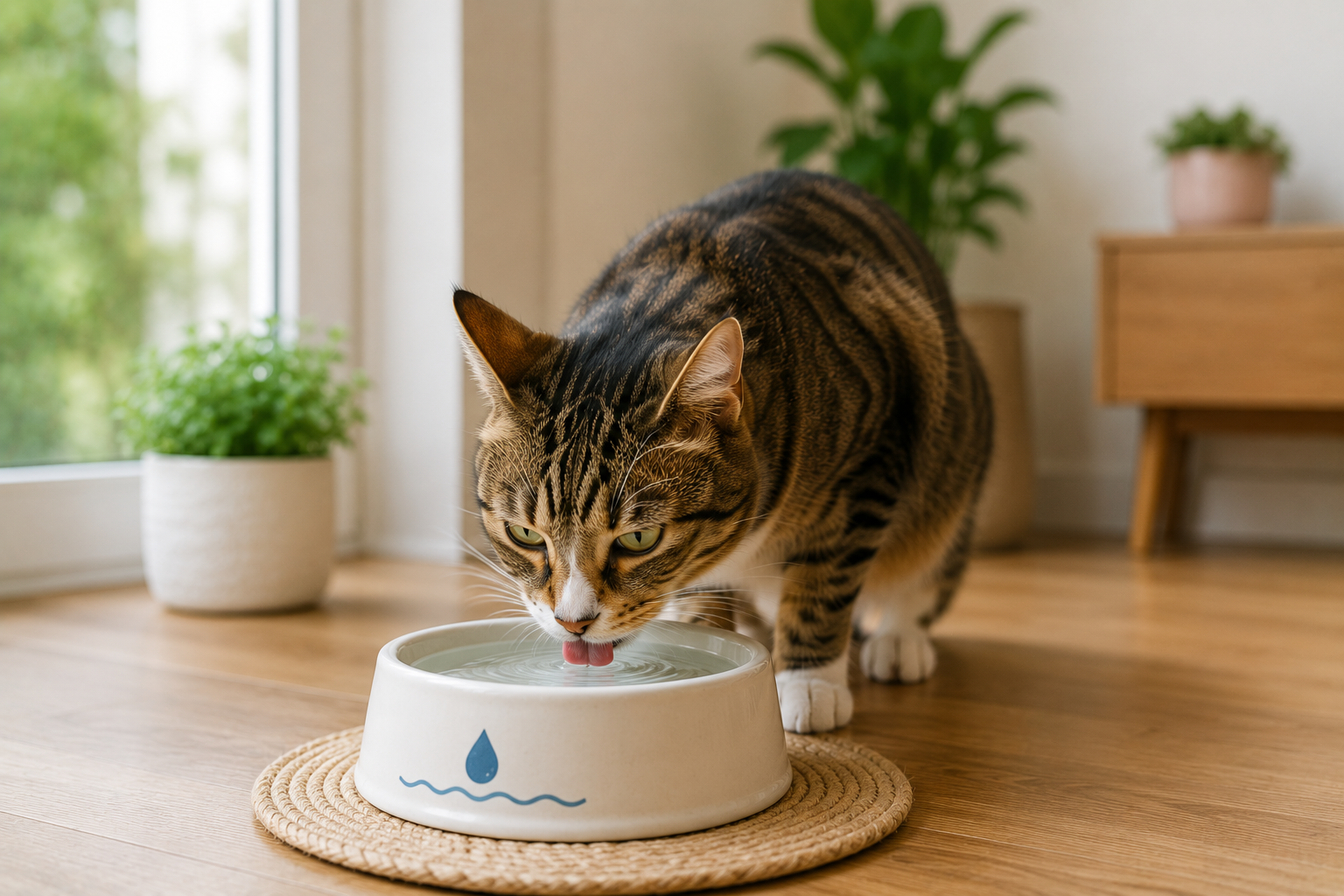
Ensure Fresh Water Availability

Always provide clean, fresh water. Many cats prefer flowing water, so a pet water fountain can encourage better hydration.
How to Take Care of a Cat

Litter Box Care and Hygiene

Maintaining a clean litter box is essential for your cat’s comfort and health.

Choose the Right Litter Box

A good rule is One litter box per cat, plus one extra. For example, if you have two cats, provide three litter boxes.

Keep It Clean

Daily maintenance should include:

  • Scooping waste
  • Removing clumps
  • Replacing litter when needed

A dirty litter box may cause behavioral issues and accidents around the house.

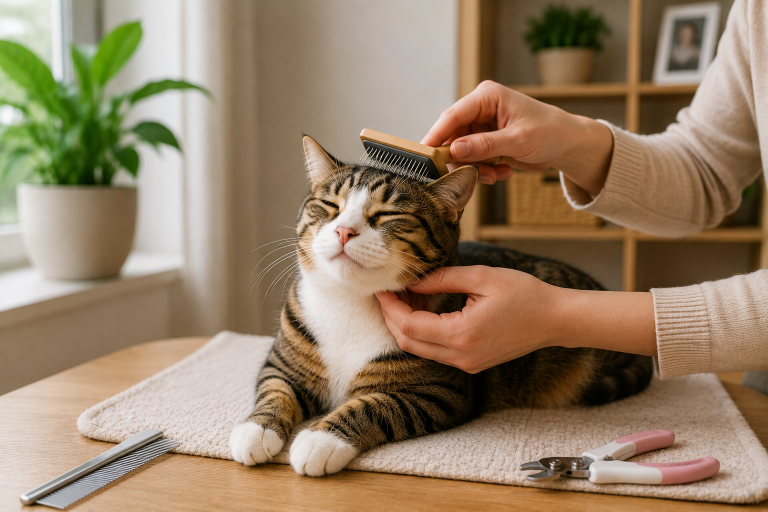
Brushing

Benefits of brushing include:

  • Reduced shedding
  • Fewer hairballs
  • Healthier skin and coat
  • Better bonding with your cat

Long-haired breeds generally require more frequent brushing than short-haired cats.

Nail Trimming

Trim your cat’s nails every few weeks to prevent:

  • Overgrowth
  • Scratches
  • Damage to furniture

Dental Care

Oral health is often overlooked. Brush your cat’s teeth regularly using cat-safe toothpaste and schedule professional dental checkups when necessary.

How to Take Care of a Cat

Grooming Your Cat

Many people assume cats groom themselves completely, but regular grooming is still important.

Regular Veterinary Care

How to Take Care of a Cat

A crucial aspect of how to take care of a cat is preventive healthcare.

Vaccinations

Common vaccinations help protect against:

  • Feline Panleukopenia
  • Calicivirus
  • Herpesvirus
  • Rabies

Parasite Prevention

Regular protection against:

  • Fleas
  • Ticks
  • Worms

Annual Health Checkups

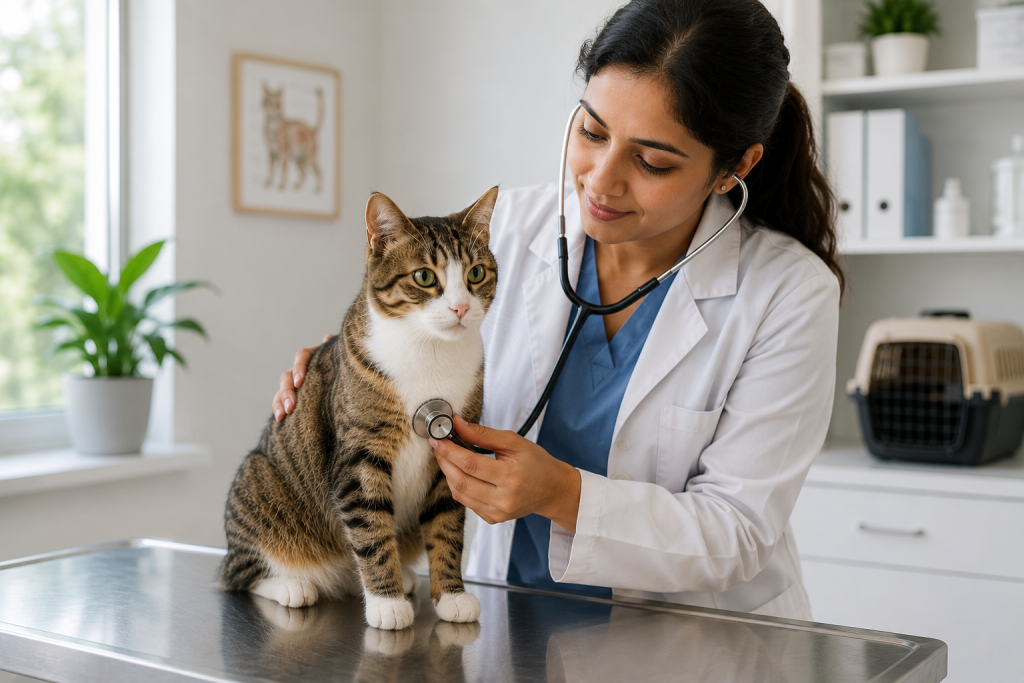
Even healthy cats should visit the veterinarian at least once a year for routine examinations.

Exercise and Mental Stimulation

Cats need both physical activity and mental enrichment.

Interactive Play

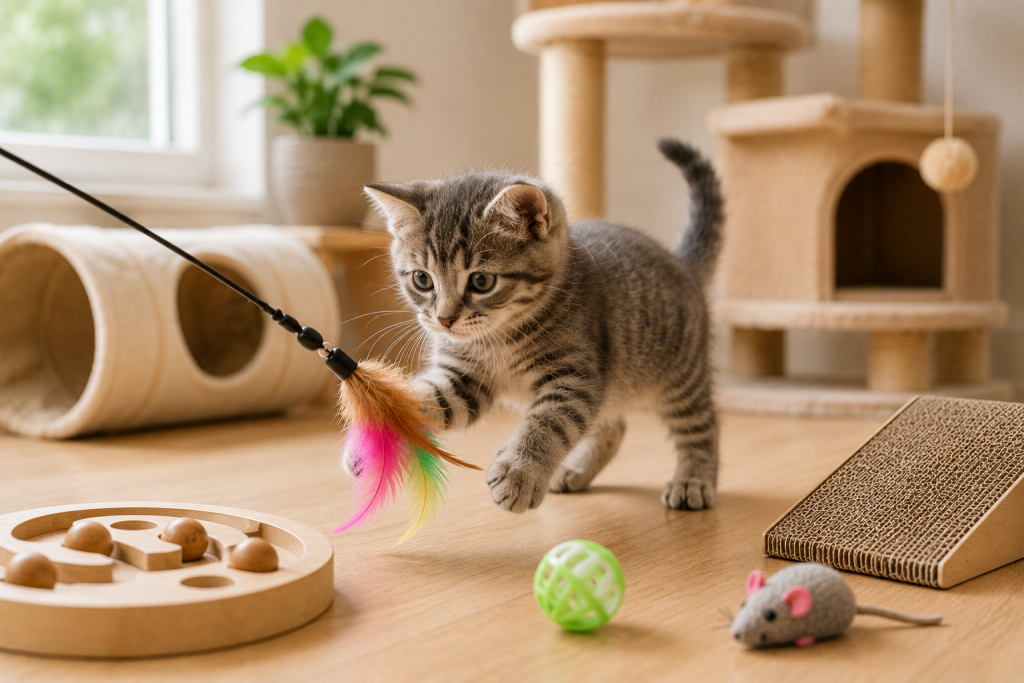
Use toys such as:

  • Feather wands
  • Balls
  • Puzzle feeders
  • Laser pointers (used responsibly)

Aim for at least 15–20 minutes of interactive play daily.

Scratching Opportunities

Scratching is a natural behavior that helps cats:

  • Stretch muscles
  • Maintain claws
  • Mark territory

Provide scratching posts and cat trees throughout your home.

How to Take Care for Newly Born Kittens

How to Take Care of a Cat

Maintain Proper Warmth

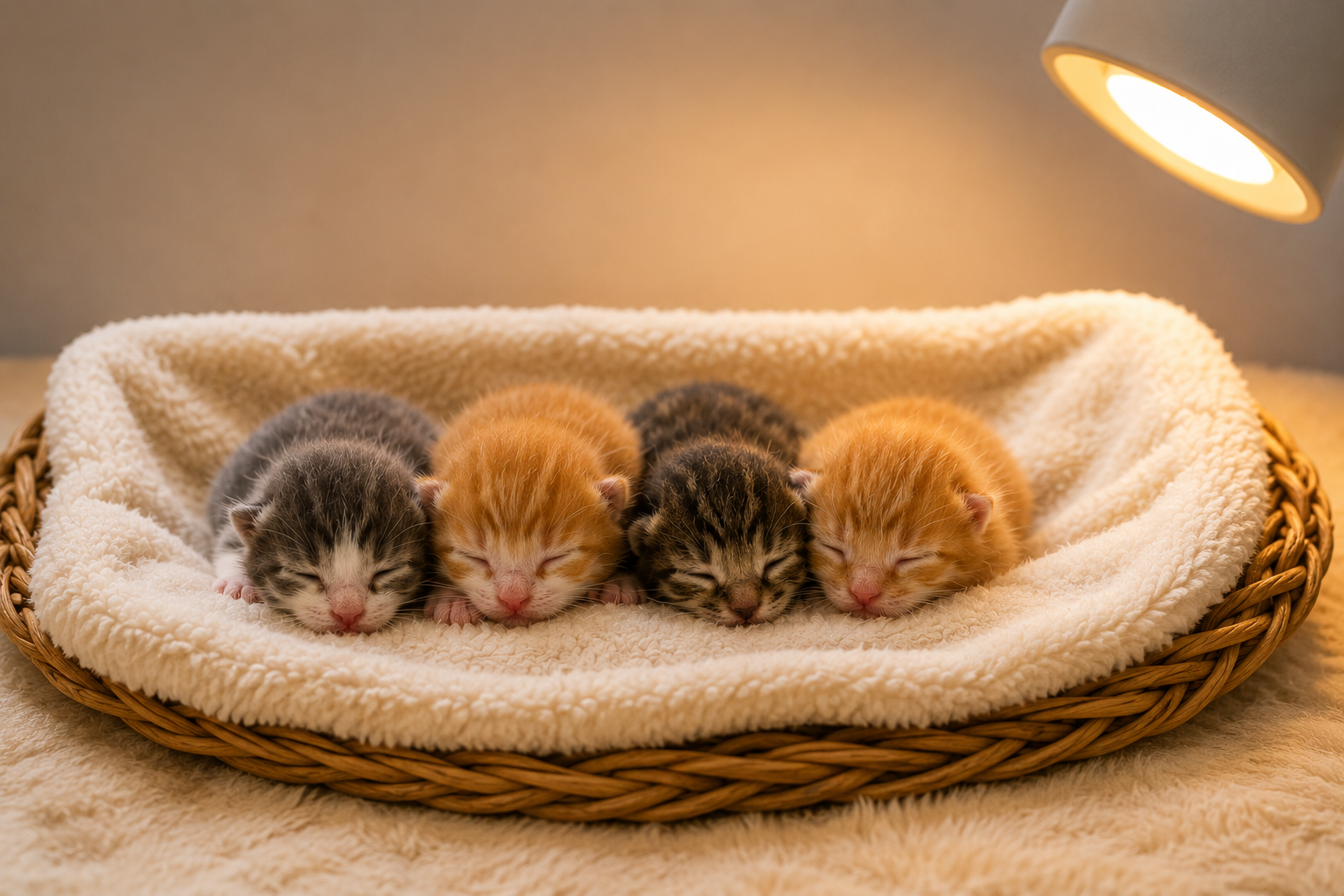
Newborn kittens cannot regulate their body temperature. Keep them warm using: Heating pads designed for pets, Warm blankets, A draft-free environment.
How to Take Care of a Cat

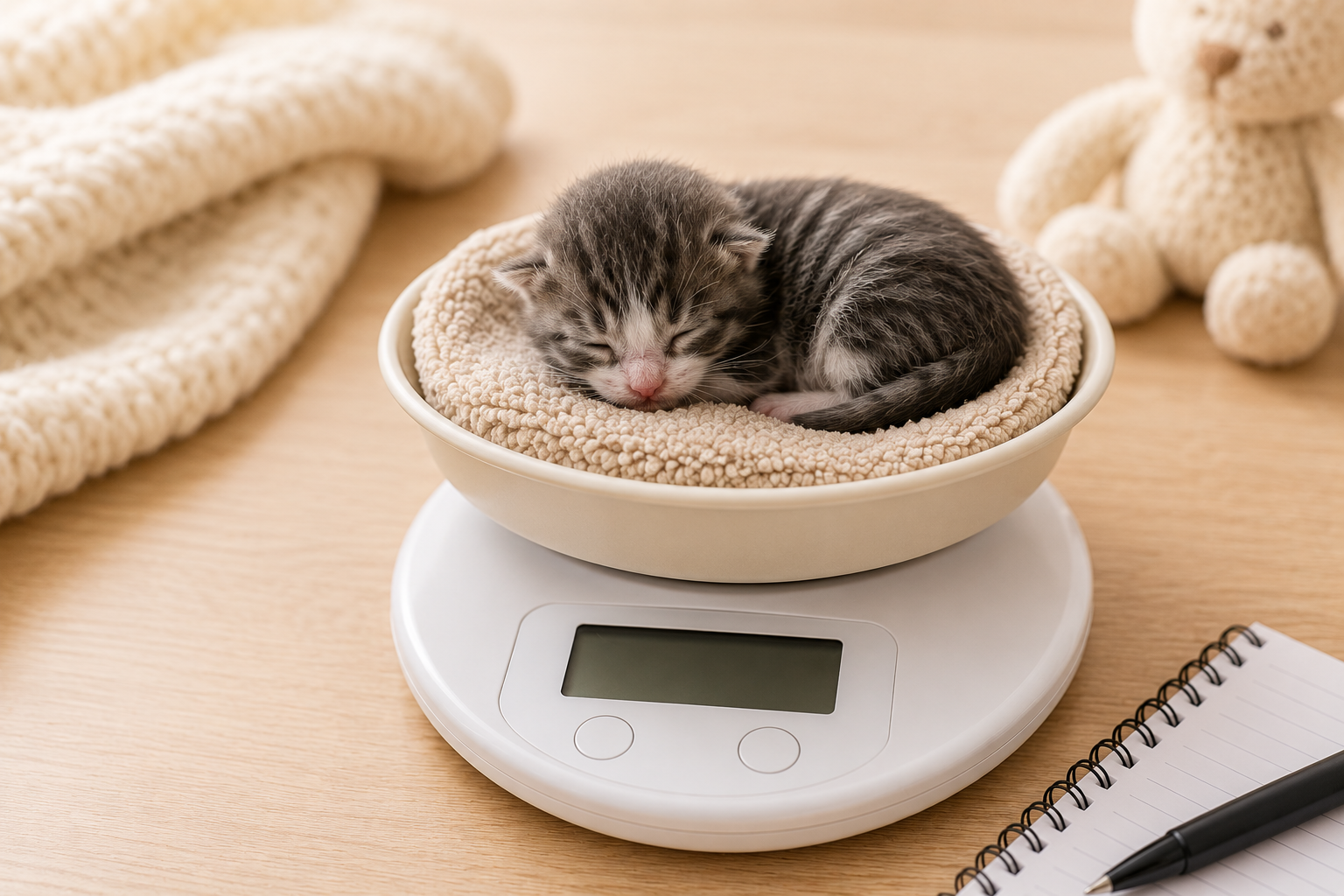
Monitor Weight Gain

Healthy kittens should gain weight daily. Weigh them regularly to ensure proper growth and development.
How to Take Care of a Cat

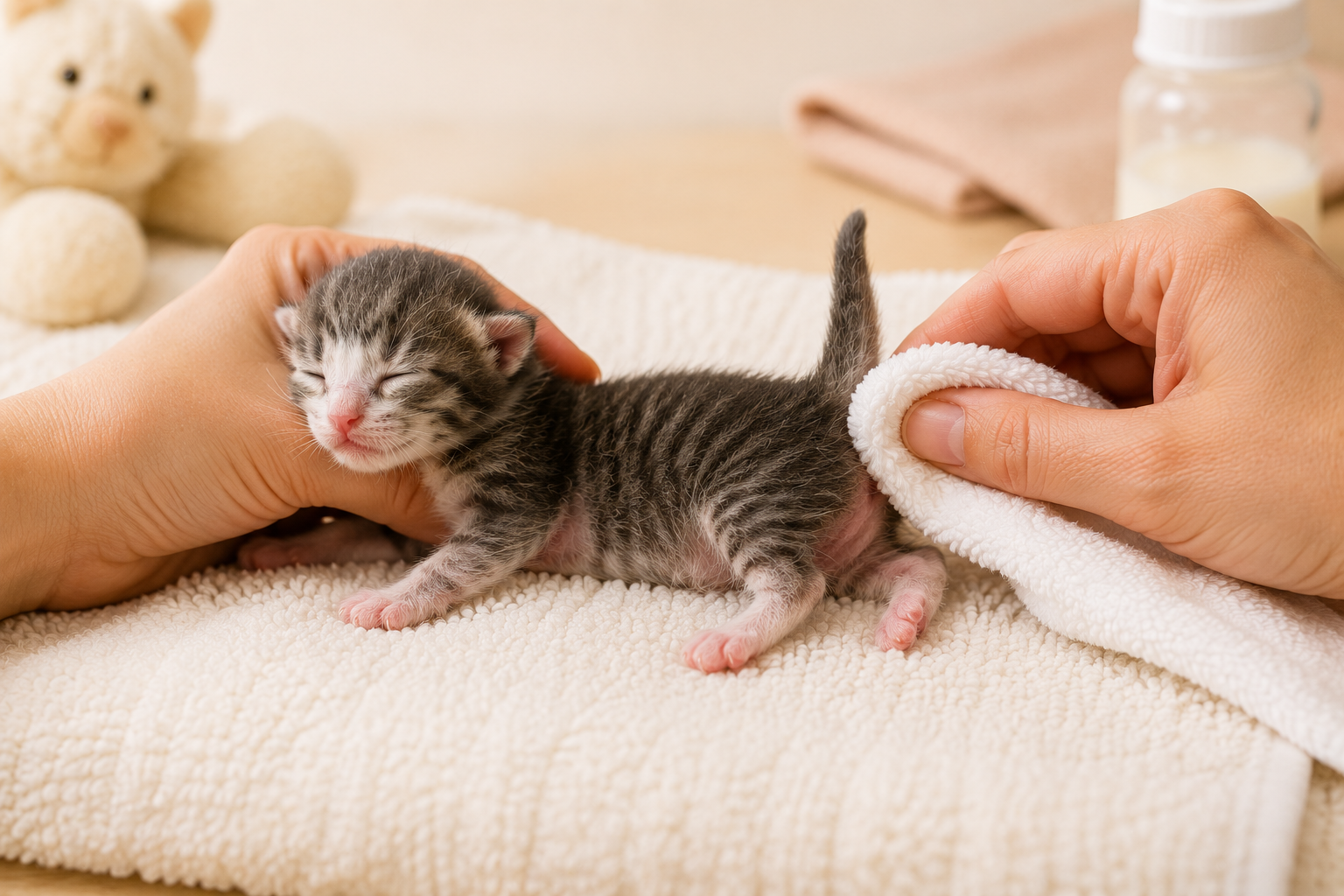
Encourage Elimination

Very young kittens cannot urinate or defecate on their own. Their mother usually stimulates them after feeding. If the mother is absent, gently stimulate the kitten using a warm, damp cloth after each feeding.
How to Take Care for a 2-Month-Old Kitten

At around eight weeks old, kittens become more active and independent.

Transition to Solid Food

This is the ideal age to begin introducing:

  • Wet kitten food
  • High-quality kitten kibble
  • Fresh water


Socialization

The socialization period is critical.

Expose kittens safely to:

  • Different people
  • Household sounds
  • Gentle handling
  • New experiences


Begin Litter Training

Most kittens naturally learn litter box habits around this age.

Use:

  • Low-sided litter boxes
  • Unscented litter
  • Positive reinforcemen

Schedule Veterinary Visits

A veterinary checkup should include:

  • Initial vaccinations
  • Deworming
  • Growth assessment
  • General health examination

Common Mistakes New Cat Parents Make

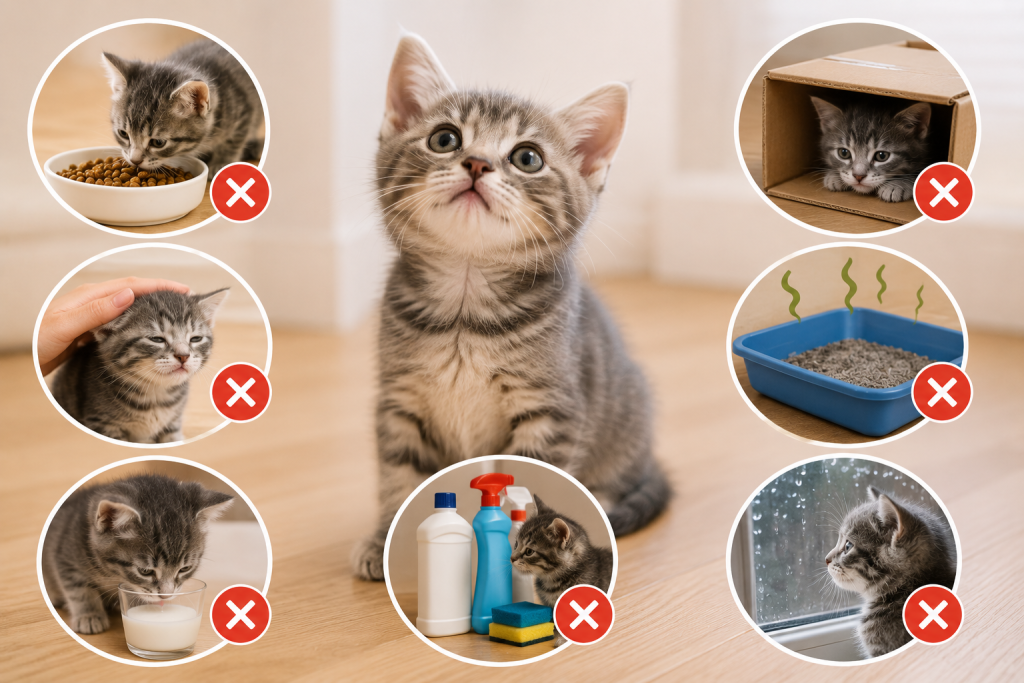
Avoid these common errors:

Overfeeding

Too many treats and large portions can lead to obesity.

Ignoring Behavioral Changes

Sudden changes in behavior may indicate:

  • Illness
  • Stress
  • Pain

Always investigate unusual behavior promptly.

Skipping Preventive Care

Preventive veterinary care is often less expensive and more effective than treating advanced illnesses.

Final Thoughts on How toTake Care of a Cat

Learning how to take care of a cat is one of the most rewarding investments a pet owner can make. By providing proper nutrition, healthcare, grooming, exercise, and a safe environment, you can help your feline companion live a long and fulfilling life.

Whether you’re researching How to Care for Newly Born Kittens, wondering How to Feed a Kitten Without a Mother, or learning How to Care for a 2 Month Old Kitten, the key is patience, consistency, and a commitment to your cat’s well-being.

At Meow Matters, we believe every cat deserves the best care possible. With the right knowledge and a little dedication, you’ll be well on your way to becoming an excellent cat parent.